



Warehouse automation is essential for optimizing supply chain processes by reducing time, effort, and errors associated with manual tasks. The logistics industry is embracing digitalization and automation to enhance efficiency, flexibility, and cost-effectiveness. With the ability to adapt to fluctuating business demands, automation minimizes staff turnover and recruitment costs, providing a sustainable solution. It is a crucial element in the evolution of modern logistics, aligning with the broader trend of automation and intelligence across industries.
The global warehouse automation market, which was valued at $16.23 bn in 2022, is projected to reach approximately $71.03 bn by 2032, growing at a CAGR of 15.91 percent from 2023 to 2032. Warehouse automation involves integrating advanced technologies like robotics, AI, machine learning, sensors, and software systems to enhance inventory management and streamline operations. Automation systems, including robots, conveyors, and storage and retrieval systems, improve the speed and accuracy of tasks like order fulfillment, material handling, and inventory management. With the rising demand for speedy and error-free services in e-commerce, warehouse automation plays a key role in meeting these needs and ensuring customer satisfaction. Technologies like barcode scanning, RFID, and computer vision further enhance inventory accuracy and real-time tracking, reducing errors, improving inventory visibility, and making operations more efficient.
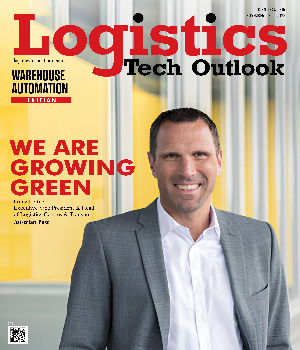
This edition of Logistics Tech Outlook brings to readers the key developments in warehouse automation and how institutions are leveraging the latest technologies to offer top-notch services. It features thought leadership articles from Audreyanne Snow, Vice President of Operations and Logistics at Parts Town, and Adam Van Asten, Manager of Global Logistics at Clarios, LLC.
Audreyanne Snow emphasizes the importance of interoperability among various automation systems in distribution centers and warehouses. Adam Van Asten talks about how shippers are gaining intelligence and leveraging data-driven tools to optimize their supply chains, challenging the traditional advantages of logistics companies.
In this edition featuring the Top Warehouse Automation Solutions Providers 2023, we hope you find the right partner suited to your business requirements.
Let us know your thoughts.